
Cafés in Mexico from Mérida to Oaxaca
Café de olla, Pluma coffee from Oaxaca, old cafés in Mexico City, Guadalajara roasters and the café tertulias of Mérida.
Photo: Heber Vazquez, Pexels License
More than 500,000 people grow coffee in Mexico, in 15 states and 480 municipalities, according to the agriculture ministry, SADER, which ranks the country 11th among the world's producers. Chiapas supplies about 41% of the national harvest, Veracruz 24% and Puebla 15.3%, on 2017–2021 averages.1 The crop is mainly arabica, and it grows especially well in Soconusco, the Chiapas coast near the border with Guatemala.2
At home, the country drinks mostly instant. A 2022 Kantar household study found café soluble (instant coffee) in 84% of Mexican homes and put consumption at 1.7 kg per person a year; purchases of roasted and ground coffee rose 20.8% from 2020 to 2021.3
Mexico's café cities
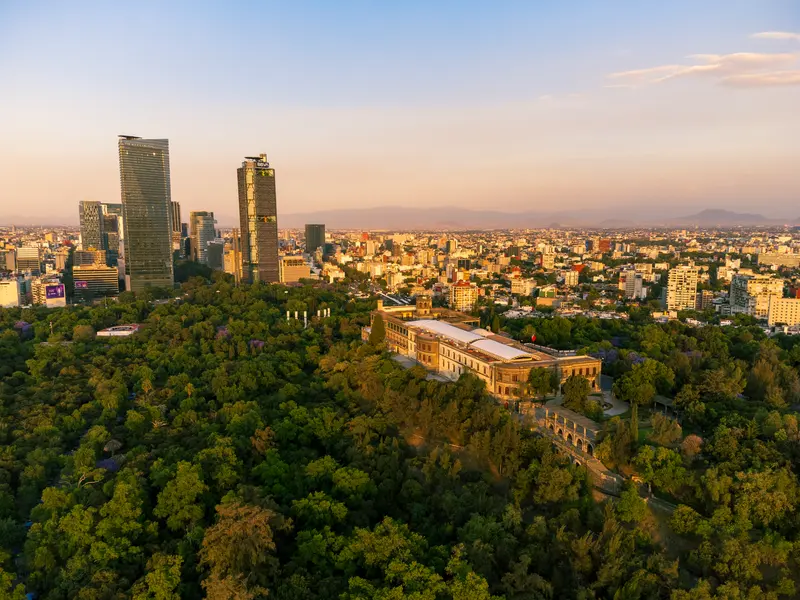
Mexico City
Café de olla, beans from Chiapas and Veracruz, and roasters in Roma and Condesa. 1429 cafés.
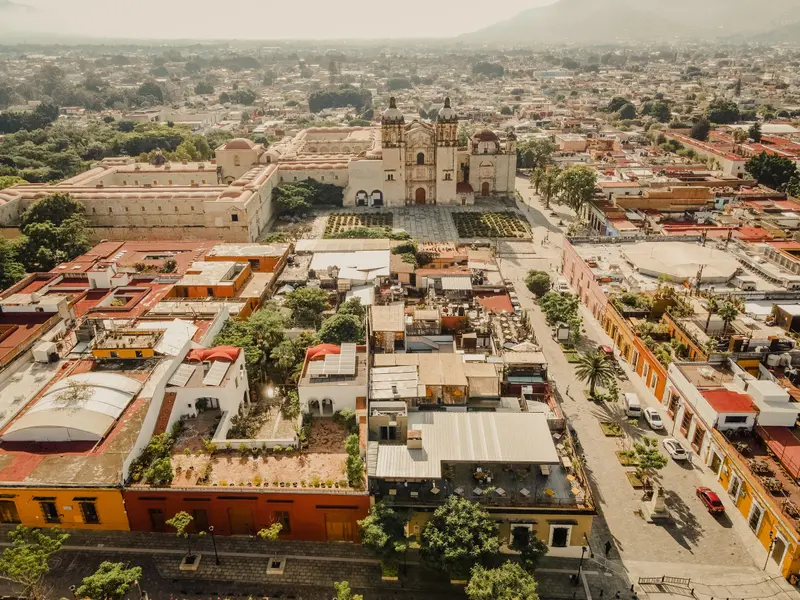
Oaxaca
Pluma coffee from the Oaxacan sierra, and cafés around the old center. 165 cafés.
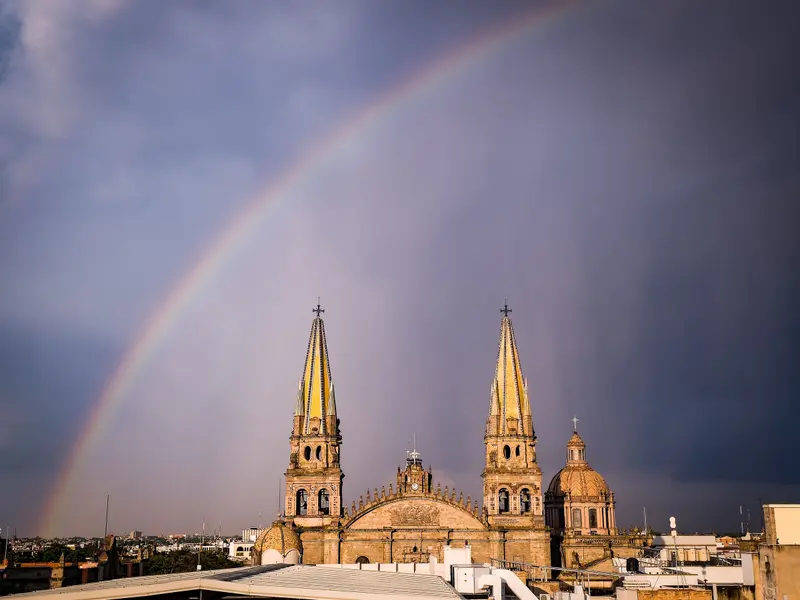
Guadalajara
Specialty coffee bars in Colonia Americana, and cafés around the historic center. 375 cafés.
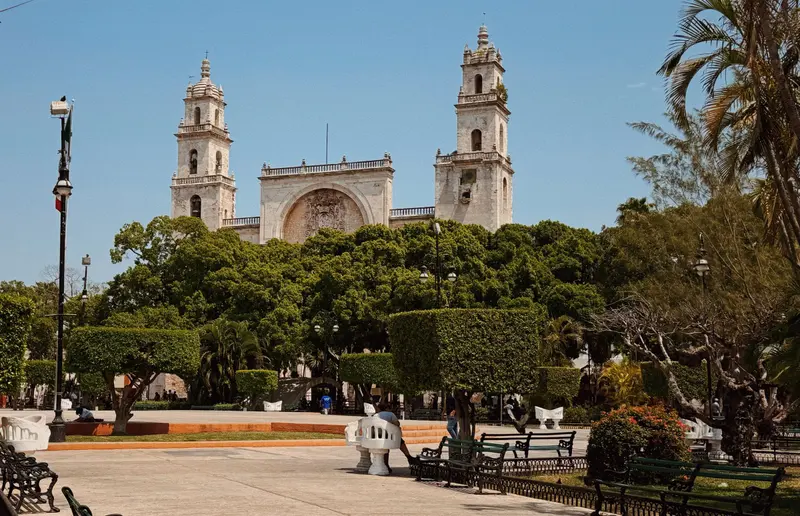
Mérida
Coffee in colonial courtyards in the Centro, cafés along Paseo de Montejo and marquesitas after dark. 277 cafés.
From Veracruz to Soconusco: how coffee came to Mexico
Coffee reached Mexico from the Antilles at the end of the 18th century and was first planted in Veracruz, but it was not exported in quantity until the 1870s. Chiapas took it up at the end of the 19th century and became the country's main growing region.2
For decades a state agency, INMECAFE, gave growers technical help, managed export quotas and worked to keep prices stable. It was dissolved in 1989, the year the International Coffee Agreement of 1962 was dismantled, and small producers were left exposed to world prices.2
The next blow was roya (coffee leaf rust), a fungus that weakens the plant and makes the fruit drop before it ripens. In 2016 Mexican output was 46% below its level five years earlier, according to the industry association Anicafe, and green-coffee exports fell from US$1,207 million in 2012 to US$394.4 million in 2015, on figures from the government statistics service SIAP.4
Café de olla and the Veracruz lechero
Mexico's own coffee drink is café de olla, coffee boiled in an olla de barro (clay pot) with canela (cinnamon) and piloncillo, unrefined cane sugar. Recipes add clove, cardamom or orange peel, and the clay itself flavors the cup. A popular account dates it to the Revolution of 1910–1917, when the Adelitas, women of the revolutionary armies, brewed it for soldiers, though no single creator can be identified.5
Veracruz, the first coffee state, has its own ritual. At the Gran Café de la Parroquia on the port's malecón, which dates its founding to 1808, you order a lechero by tapping a spoon against your glass. The waiter pours coffee to your measure, then fills the rest with hot milk from a pitcher held as high as possible. The café traces the custom to about 1890, when tram drivers rang their bells for a café con leche.6
Café Pluma and the Oaxacan coast
Oaxaca obtained a denominación de origen (protected designation) for Café Pluma on 4 February 2020. It covers more than 28,000 producers in the Costa and Sierra Sur regions, and an official standard for the coffee was published on 14 October 2022.7
Pluma Hidalgo, one of the covered municipalities, was founded in 1870 and was the first coffee zone opened on the Oaxacan coast. It sits at 1,340 m, about 200 km from the city of Oaxaca on the road to Puerto Escondido, and gives its name to café pluma, a Mexican variety known for its aroma.8
Mexico City, Oaxaca, Guadalajara and Mérida
Mexico City keeps its old cafés in the Centro Histórico. Café de Tacuba, at Tacuba 28 in a 17th-century mansion, opened in 1912 and hosted Diego Rivera's wedding banquet in 1922. Café La Blanca on 5 de Mayo began in 1915 as a lechería (dairy shop) and is known for its café lechero. In Colonia Juárez, Café La Habana has served writers and politicians since 1952, Fidel Castro and Che Guevara among them.9
The capital's specialty bars cluster in Roma and Condesa. Sprudge's 2026 guide to Condesa describes cafés that buy from Oaxaca, Chiapas and Hidalgo and often roast in-house.10
In Oaxaca the growing regions are close, and the cafés show it. Sprudge's 2023 guide found coffee "seemingly everywhere" on the city's cobblestone streets; one café there serves coffee mainly from Finca Las Nieves in San Juan Lachao, and another buys from local coffee-growing families.11
Guadalajara came to specialty coffee in the mid-2010s. El Terrible Juan opened in Colonia Americana in 2015 and, with Matraz, Palreal and Taller de Espresso, was among the first to bring it to the city.12
Mérida's café habit goes back to the 19th century. The first known café of modern Mérida, the café and restaurant of Montillet y Cía. on Calle del Degollado, opened on 1 December 1861 and stayed open all day; in January 1875 Agustín Rivas Font opened El Regalo on the main plaza, modeled on European cafés, with concerts every night.13 A 1957 magazine account found men in guayaberas holding tertulias (regular gatherings) in cafés and plazas, with no women present, and was told the café there could steer political campaigns.14
Sources
- México ocupa la decimoprimera posición como productor de café a nivel mundial, Cluster Industrial, citing SADER (October 17, 2022, updated January 29, 2025), accessed October 2026
- Coffee production in Mexico, Wikipedia, accessed October 2026
- 84% de los hogares mexicanos consume café soluble, Kantar (September 27, 2022), accessed October 2026
- Gobierno se asocia con Nestlé y Starbucks para rescatar al café mexicano, El Financiero (February 22, 2017), accessed October 2026
- ¿Cuál es el origen del café de olla?, El Financiero (October 6, 2021), accessed October 2026
- Gran Café de la Parroquia, el lugar donde comió don Porfirio antes de partir, México Desconocido, accessed October 2026
- Consolidan la aplicación de la Denominación de Origen del Café Pluma de Oaxaca, La Razón (October 16, 2022), accessed October 2026
- Pluma Hidalgo, Oaxaca, México Desconocido, accessed October 2026
- Las 5 cafeterías con más historia de la CDMX, Chilango (November 8, 2022), accessed October 2026
- The Sprudge Guide To Mexico City's Condesa Neighborhood, Sprudge (June 9, 2026), accessed October 2026
- The Sprudge Guide To Coffee In Oaxaca City, Sprudge (August 28, 2023), accessed October 2026
- Esta cafetería tapatía se encuentra entre las mejores del mundo, México Desconocido, accessed October 2026
- Los cafés de Mérida en el siglo XIX (Genny M. Negroe Sierra and Pedro Miranda Ojeda), Revista de la Universidad Autónoma de Yucatán 247–248 (2008–2009), Universidad Autónoma de Yucatán (Internet Archive copy), accessed October 2026
- La vida cotidiana en los cafés: tertulias y mentideros (José Carrillo; from Orbe no. 47, February 1957), Revista de la Universidad Autónoma de Yucatán 247–248, Universidad Autónoma de Yucatán (Internet Archive copy), accessed October 2026
Guides
Café etiquette around the world
Tipping in cafés from Tokyo to Lima, counter and table prices in Italy and Lisbon, paying at the till, Vietnam's free trà đá and indoor smoking rules.
Working from cafésCafé Wi-Fi for travelers who need to work
Café Wi-Fi abroad: public-network safety, eSIM and SIM registration in Vietnam, Thailand and Peru, mobile vs fixed speeds for 2026, and plug types by country.
Coffee travelThe coffee harvest calendar and when to see it
Coffee harvest months in Vietnam, Thailand, Indonesia, Colombia, Mexico and Peru, with Brazil and Ethiopia: when to visit farms and when new crop arrives.
Cafés in Mexico: questions
What is café de olla in Mexico?
Café de olla is Mexican coffee boiled in a clay pot with cinnamon and piloncillo, an unrefined cane sugar, sometimes with clove, cardamom or orange peel added. The clay itself flavors the drink. A popular account dates it to the Mexican Revolution of 1910–1917, when the Adelitas brewed it for soldiers, but no single creator can be identified.
Where is coffee grown in Mexico?
Coffee is grown in 15 Mexican states and 480 municipalities by more than 500,000 producers. Chiapas supplies about 41% of the harvest, Veracruz 24% and Puebla 15.3%, on 2017–2021 averages. Oaxaca's Costa and Sierra Sur grow Café Pluma, a protected designation since February 2020, and the Soconusco coast of Chiapas is known for its arabica.
What kind of coffee do people drink at home in Mexico?
Mostly instant. A 2022 Kantar study found instant coffee in 84% of Mexican households and put consumption at 1.7 kg per person a year, though purchases of roasted and ground coffee rose 20.8% from 2020 to 2021. Mexico grows mainly arabica, with Chiapas supplying about 41% of the national harvest and Veracruz 24%.
Your café deserves better than a pin someone else dropped
Free listings are free for good. A featured page gives you photos, a menu and your own URL, in your café's own design, for less than a coffee a day.