
Cafés in the United States from Seattle to Austin
San Francisco's North Beach, Seattle espresso, Portland and Chicago roasters, Los Angeles, Austin's nitro and New York's Greek cups.
Photo: Brett A, Pexels License
More American adults drink coffee each day than any other beverage. In the National Coffee Association's June 2026 survey, 66% had drunk coffee the day before and a record 48% had a specialty coffee; 83% of those daily drinkers had their coffee at home.1
Nearly all of it comes from abroad. The US Department of Agriculture puts American imports at about 25.5 million 60 kg bags in 2025/26, counting green beans, roasted and soluble coffee, more than any other country and behind only the European Union as a bloc; it puts US consumption at about 25.6 million bags.2
United States's café cities
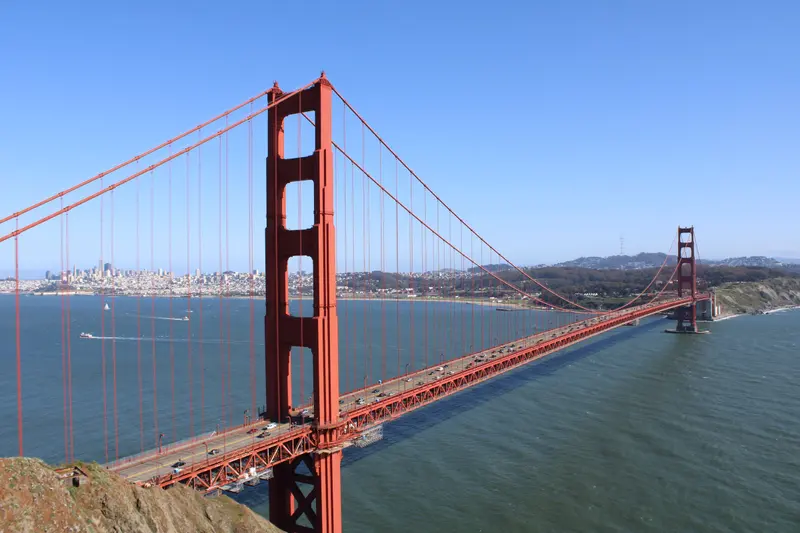
San Francisco
Third-wave roasters in the Mission and Hayes Valley, North Beach espresso bars and cafés by the bay. 694 cafés.
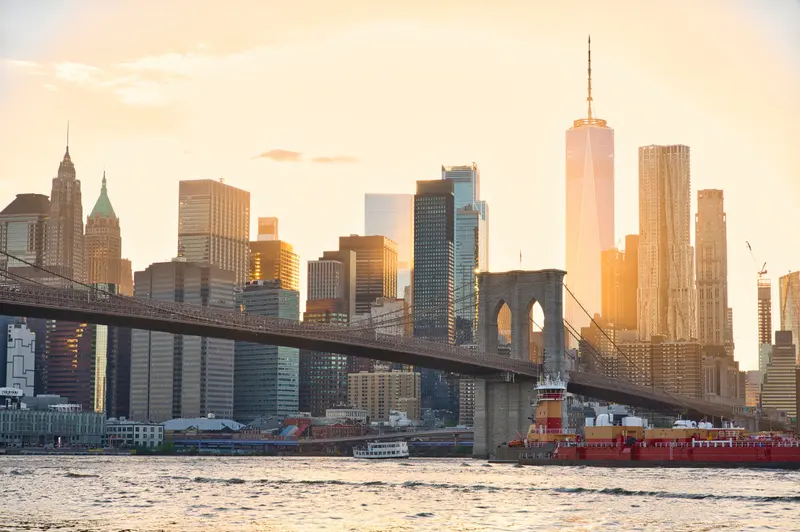
New York
Coffee carts in Midtown, espresso bars in the West Village and roasters across Brooklyn. 2073 cafés.
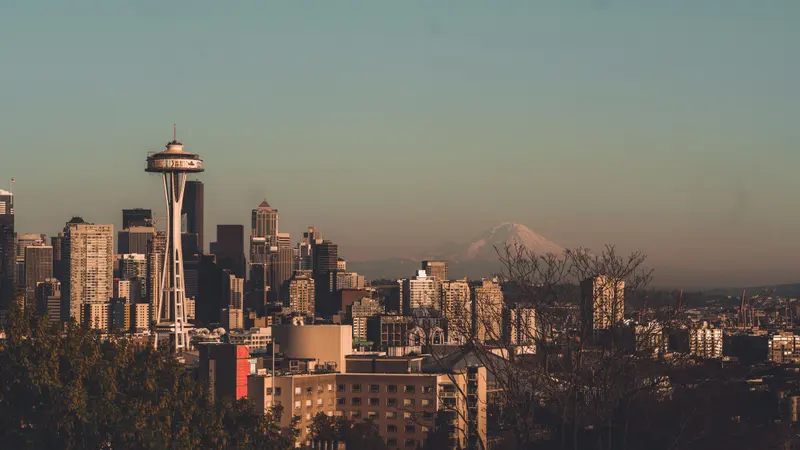
Seattle
Espresso on Capitol Hill, roasters in Ballard and Fremont and cafés around Pike Place. 651 cafés.
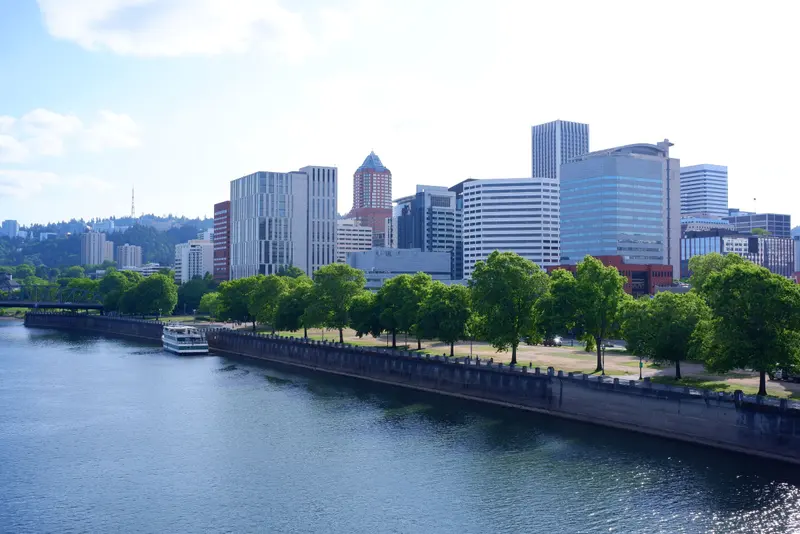
Portland
Roasters on the east side, cafés along Alberta and Division, and coffee in the Pearl District. 418 cafés.
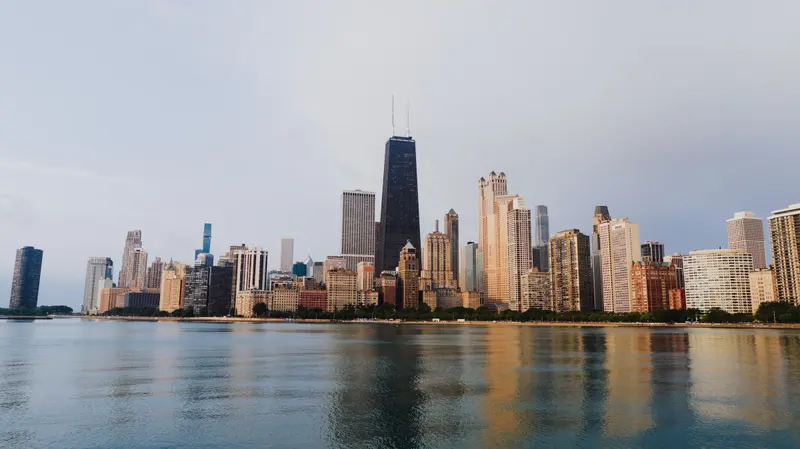
Chicago
Roasters in Logan Square and Wicker Park, cafés in the Loop and along the lakefront. 579 cafés.
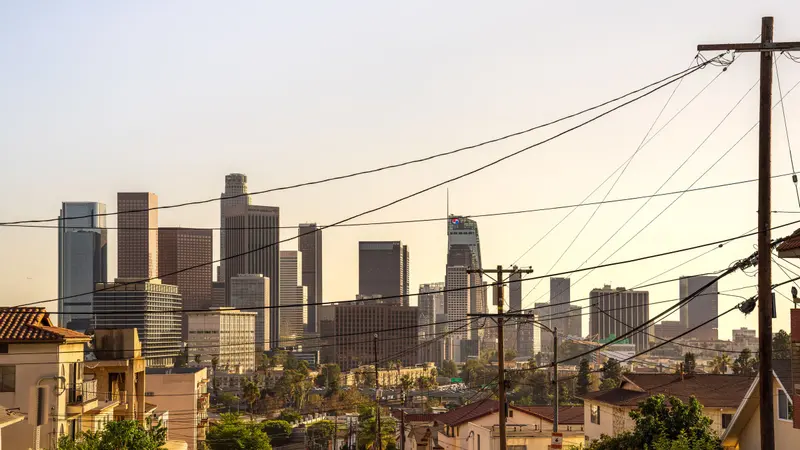
Los Angeles
Specialty bars in Silver Lake and the Arts District, and cafés from Venice to Echo Park. 849 cafés.
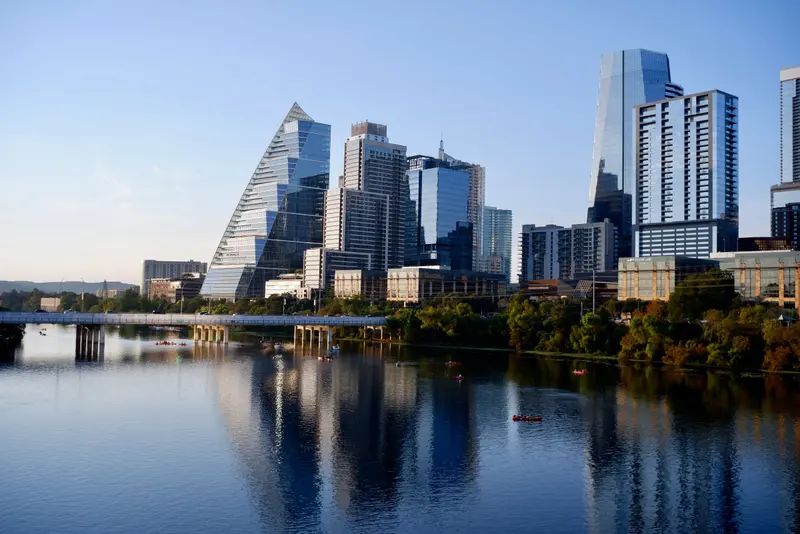
Austin
Coffee trailers and patios on South Congress, East Austin roasters and cafés near campus. 196 cafés.
The Boston Tea Party and the port of New York
Coffee reached what is now New York City in the mid-1600s, but tea remained the colonists' usual drink until King George III imposed a heavy tax on it in 1773. The National Coffee Association credits the revolt that followed, the Boston Tea Party, with turning American taste to coffee for good.3
New York then became the country's coffee port. Most Americans bought green beans and roasted them at home until John Arbuckle introduced roasted coffee in one-pound bags in 1873, sold as Ariosa.4 By the turn of the 20th century, 86% of the coffee drunk in the United States docked in New York Harbor, and more was roasted in what is now DUMBO, on the Brooklyn waterfront, than anywhere else in the country.4
Kona: the coffee grown in Hawaii
Some coffee does grow in the United States, most famously in Hawaii. Samuel Ruggles planted Brazilian cuttings in the Kona district in 1828, and the Kona Coffee Belt now runs between 500 and 3,200 feet (about 150 to 975 m) above sea level, farmed by some 800 growers on plots that average under 5 acres.5
The cherries ripen from late August, so pickers go over each tree by hand several times through January. A bag sold as a Kona blend needs only 10% Kona coffee, the rest usually cheaper imported beans, and Hawaiian law requires the label to state the percentage.5
Waves, drive-thrus and apps
American coffee people tell their history in waves. The first was canned grocery coffee, instant and the diner cup, sold on low price and consistent taste; the second, from the late 1960s, brought origin coffees and espresso drinks.6 The term "third wave" is usually credited to Trish Rothgeb, who used it in 2003; its best-known roasters, Intelligentsia in Chicago, Stumptown in Portland, Oregon, and Counter Culture in Durham, North Carolina, all buy through direct trade.6
The everyday order has moved to the car and the phone. In 2026, 55% of Americans who had bought coffee out in the past week used a drive-thru and a record 40% ordered on an app, while 21% of daily drinkers took their coffee cold.1
San Francisco, Los Angeles, Seattle and Portland
The second wave started across the bay from San Francisco. Alfred Peet opened Peet's in Berkeley in 1966, selling darker-roasted arabica, and his first shop at Vine and Walnut is still open; Starbucks's founders, with his blessing, copied his layout and used his suppliers.7 In the city itself, North Beach holds the oldest espresso culture: immigrants, largely from northern Italy, settled there after the 1906 earthquake, and Columbus Avenue and Washington Square are still lined with Italian cafés and bakeries.8
Los Angeles's best-known coffee chain began as an office coffee service. Herbert Hyman founded The Coffee Bean & Tea Leaf in 1963 and opened its first shop in Brentwood in 1968; the Ice Blended dates from the summer of 1987, when an employee brought a blender to the Westwood store.9 Intelligentsia opened its first store outside Chicago at Sunset Junction in Silver Lake on August 17, 2007.10 By 2015, three of its seven bars were in Los Angeles.6
Seattle's espresso predates Starbucks. Cafe Encore, the city's first coffeehouse, opened in the University District in 1958, and The Door, which Ben Laigo opened downtown in 1959, was the first to make coffee drinks on a traditional espresso machine.11 Starbucks opened near Pike Place Market on March 30, 1971, moved into the market in 1976 and opened its first espresso bar in 1984. In 1995 David Schomer, who had opened Espresso Vivace in 1988, introduced latte art to the city.11
Portland built its name on roasters. Stumptown, one of the three roasters most tied to the third wave, had five of its 11 bars in Portland in 2015, the year Peet's bought it.6
New York, Chicago and Austin
New York's Italian espresso bars go back to 1927, when Domenico Parisi, a barber, turned his shop on MacDougal Street in Greenwich Village into Caffè Reggio. It is credited with introducing cappuccino to America, and its 1902 espresso machine, designed for the 1900 Paris World's Fair, is kept as a centerpiece rather than used.12
The city's other emblem is a paper cup. Leslie Buck of the Sherri Cup Company designed the blue-and-white Anthora in 1963 for Greek-owned coffee shops, with Greek-key rims and the line "We are happy to serve you"; about 500 million were sold in 1994.13
Chicago is Intelligentsia's home town. Doug Zell and Emily Mange founded the company there in 1995, and its roasting facility is still in the city.10 In 2015, when Peet's bought a majority stake, four of its seven bars were in Chicago.610
Austin is where nitro cold brew went public. Kegged cold brew charged with nitrogen was first poured for the public at the Slow Food Quiz Bowl in Austin in 2012; Mike McKim of Cuvee Coffee and Lorenzo Perkins, who worked with the Austin shop Cenote, each say they made it first, and Cuvee put it in cans in 2014.14
Sources
- NCA: Coffee Tops Beverage Charts Again, Specialty Coffee Hits New High, National Coffee Association (September 15, 2026), accessed October 2026
- Coffee: World Markets and Trade (July 2026), US Department of Agriculture, Foreign Agricultural Service, accessed October 2026
- History of coffee, National Coffee Association (About Coffee), accessed October 2026
- Roasteries and refineries: The history of sugar and coffee in NYC (Lucie Levine, June 6, 2017), 6sqft, accessed October 2026
- Kona coffee, Wikipedia, accessed October 2026
- Third-wave coffee, Wikipedia, accessed October 2026
- Peet's Coffee, Wikipedia, accessed October 2026
- North Beach, San Francisco, Wikipedia, accessed October 2026
- The Coffee Bean & Tea Leaf, Wikipedia, accessed October 2026
- Intelligentsia Coffee & Tea, Wikipedia, accessed October 2026
- Coffee in Seattle (Brad Holden, Essay 22750, July 26, 2023), HistoryLink.org, accessed October 2026
- The Oldest Coffee Shop In The US Is Still Open, And It Was The First To Introduce This Iconic Italian Drink To The Country (Matthew Spina, February 10, 2026), Tasting Table, accessed October 2026
- Anthora, Wikipedia, accessed October 2026
- Rising to the Top: How Nitro Transformed Beer and Coffee (Ashley Rodriguez, July 10, 2019), Good Beer Hunting, accessed October 2026
Cafés in the United States: questions
How much coffee do people drink in the United States?
In June 2026, 66% of American adults had drunk coffee the day before, more than any other beverage, and a record 48% had a specialty coffee. Most drink it at home: 83% of daily coffee drinkers did. The United States imports about 25.5 million 60 kg bags of coffee a year, more than any other country.
Where is coffee grown in the United States?
The best-known coffee grown in the United States comes from Kona, on Hawaii, where Samuel Ruggles planted Brazilian cuttings in 1828. About 800 farms, averaging under 5 acres, grow it between 500 and 3,200 feet, and the harvest runs from late August into January. A Kona blend needs only 10% Kona coffee, with the share printed on the label.
What is third-wave coffee in the United States?
Third-wave coffee is the American term, usually credited to Trish Rothgeb in 2003, for the newest generation of roasters, led by Intelligentsia in Chicago, Stumptown in Portland and Counter Culture in Durham, which buy through direct trade. The first wave was canned and diner coffee; the second began with Peet's, which Alfred Peet opened in Berkeley, California, in 1966.
Your café deserves better than a pin someone else dropped
Free listings are free for good. A featured page gives you photos, a menu and your own URL, in your café's own design, for less than a coffee a day.