Sangenjaya
And Co.ffee
アンド コーヒー
- Wi-Fi
- Takeaway
- Card payment
- Toilets
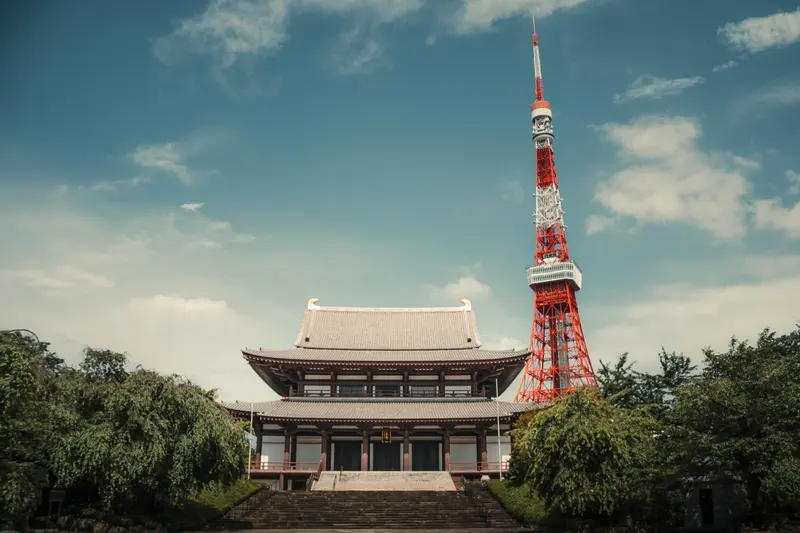
Kissaten in Jimbōchō, hand-drip counters in Ginza, roasters in Kiyosumi-Shirakawa and late coffee in Shibuya.
Photo: Lorenzo Castellino, Pexels License
Tokyo's cafés come in three broad kinds: the kissaten (喫茶店, an old-style coffee house) with its hand-poured house blend, the self-service chain, and the specialty bar. Each kind has its own districts. For the old style, head to the center and the east. Jimbōchō, a district of roughly 120 secondhand bookshops, has Ladrio, open since 1949, and Saboru, a fixture since 1955.123
Ginza has Café de l'Ambre, opened in 1948 when West Ginza was still half ruined, with an orange sign in its lane that reads "a shop only for coffee".45 In Yanaka, Kayaba Coffee was founded in 1938 and reopened in 2009 in a Taishō-era townhouse.6 For specialty coffee, two clusters sit at opposite ends of the city. East of the Sumida, Kiyosumi-Shirakawa's canal-side timber warehouses had the height roasters need for exhaust ducts, and eight cafés opened there in 2015 alone.7
North of Shibuya Station, Oslo's Fuglen opened its first Tokyo café in 2012, and Coffee Supreme from New Zealand followed a couple of streets away in October 2017.89 Hours vary as widely as styles. Edinburgh, a kissaten in Shinjuku 3-chōme, is open 24 hours, and near Sensō-ji, Cafe Tomorrow opens at 06:30 every day.
Tokyo's 23 special wards cover 627.51 km² and held about 9.88 million people in January 2024,17 but people place a café by its station, not its ward. Jiyūgaoka has the most specialty cafés, with Shibuya, Nihonbashi and Gōtokuji level behind it, while the oldest coffee houses are spread across Jimbōchō, Ginza and Yanaka.
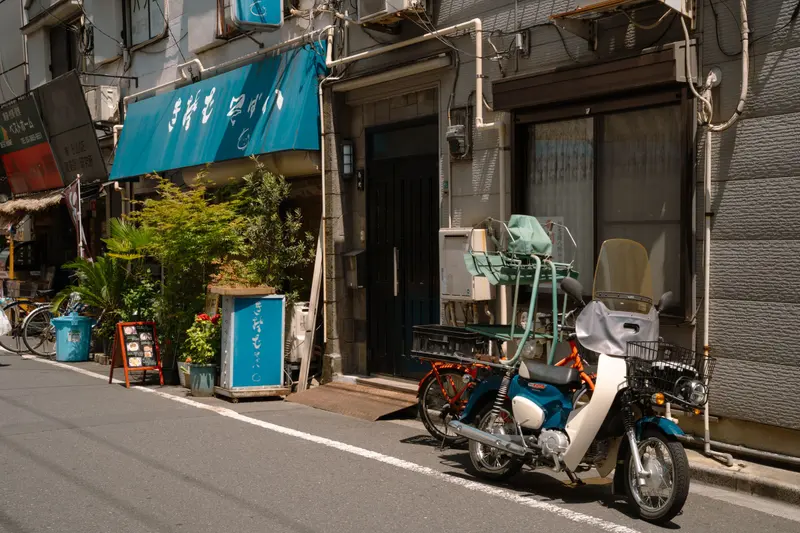
Theaters, vintage shops and a rebuilt rail strip, with cafés open from 07:00 to 02:00.
150 cafés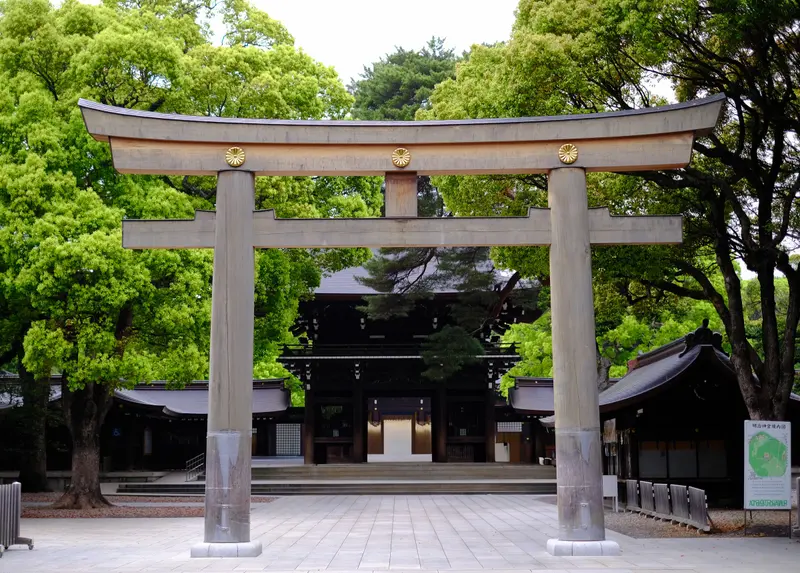
The zelkova avenue to Meiji Shrine, Cat Street over a buried river, and the museum cafés of Aoyama.
337 cafés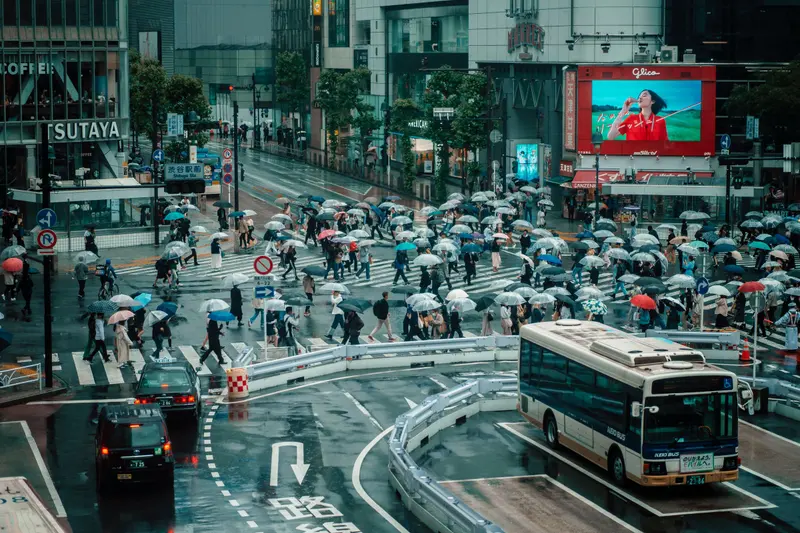
A 1926 classical-music café on Dōgenzaka, the specialty bars of Tomigaya and Kamiyamachō, and a library café.
354 cafés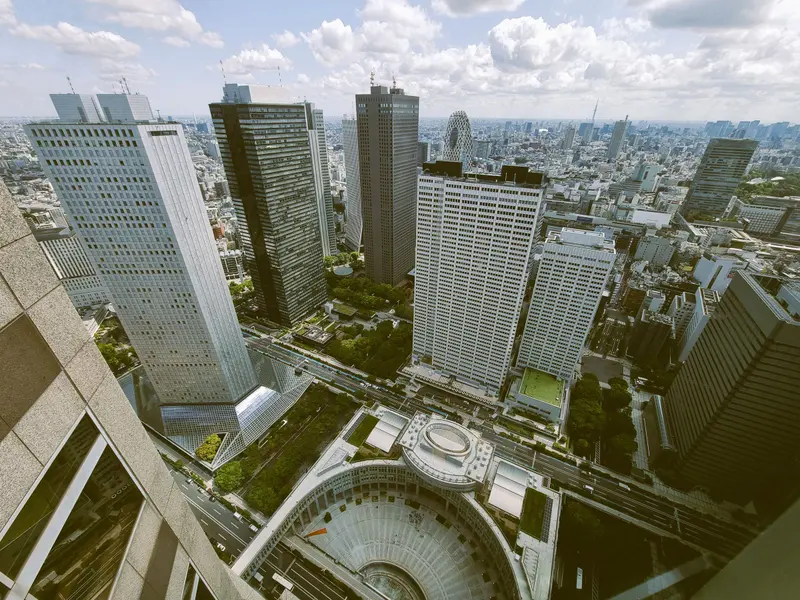
The world's busiest station, a 1964 roasting kissaten, 24-hour coffee and a reading café in Hatsudai.
359 cafés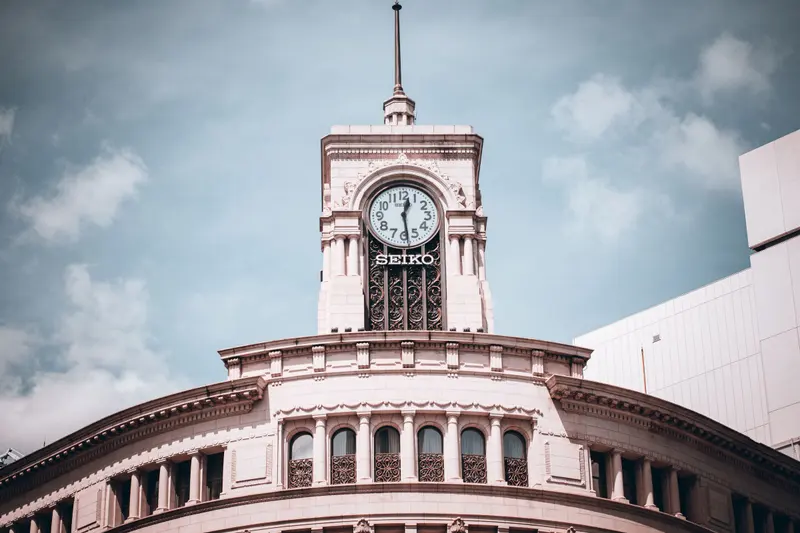
Ginza's avenues and lanes, from Café de l'Ambre's aged beans to the early counters of the Tsukiji outer market.
235 cafés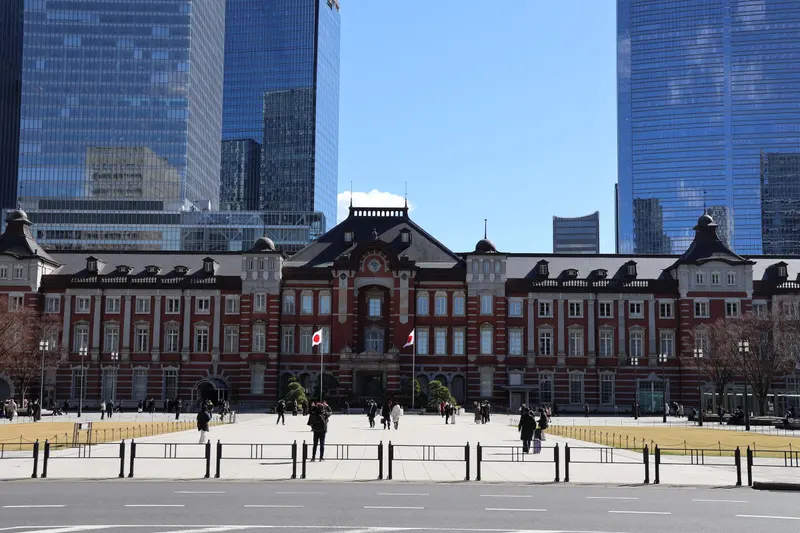
The 1911 bridge, Tokyo Station's brick front, commuter counters from 06:30 and specialty bars in Hamachō and Ōdenmachō.
297 cafés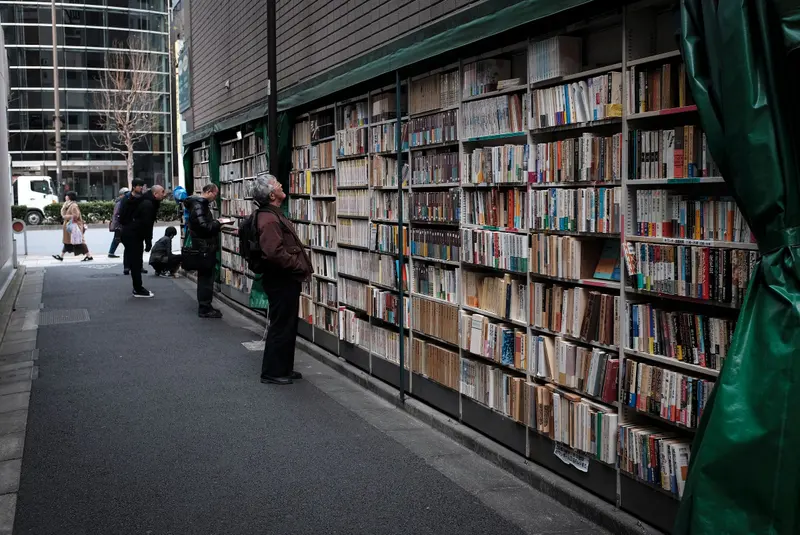
Tokyo's secondhand-book town, with postwar kissaten in its lanes and Akihabara to the east.
268 cafés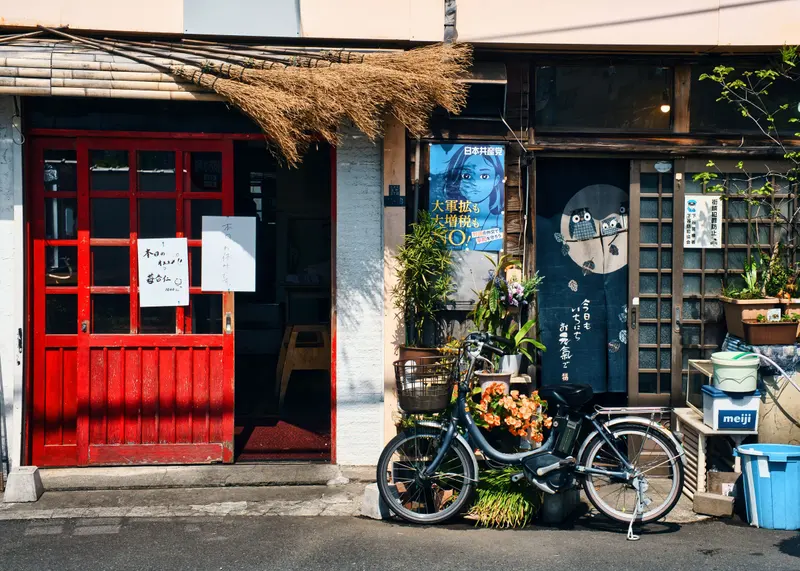
Ueno Park's museums, then the temple lanes of Yanaka, Nezu and Sendagi, with cafés in old houses.
317 cafés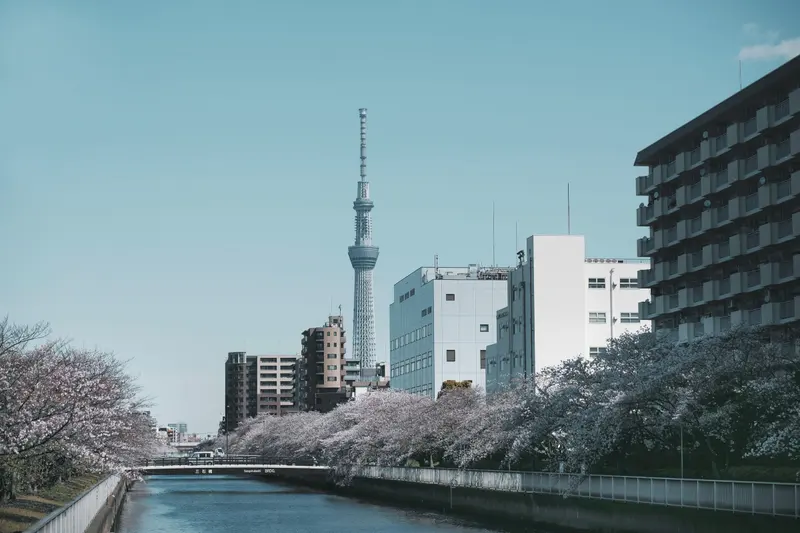
Canal-side timber warehouses turned roasteries, between Kiyosumi Garden and the Museum of Contemporary Art.
106 cafés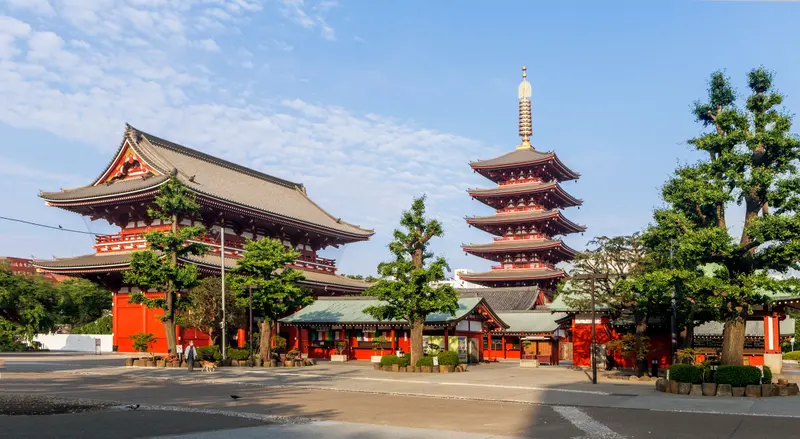
Sensō-ji's lanes, Café Bach to the north, and Kuramae's warehouse cafés by the Sumida River.
280 cafés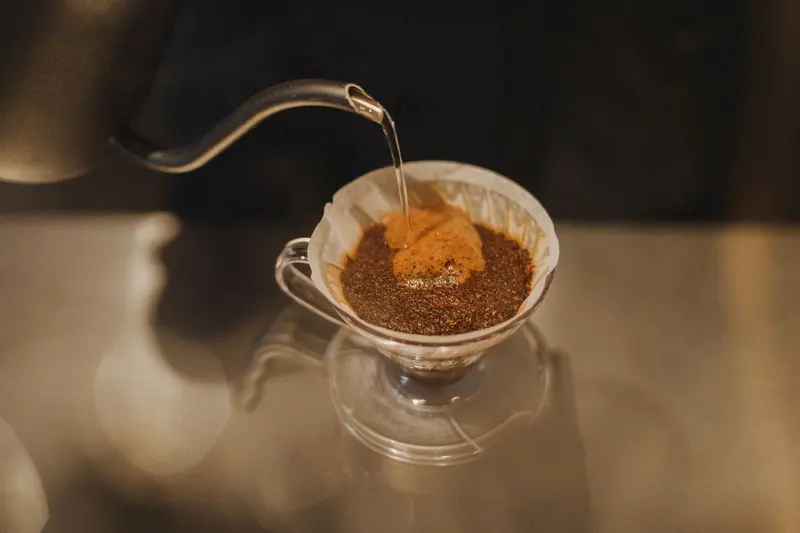
Warehouse roasteries in Kiyosumi, espresso bars in Tomigaya, single origins by the cup.
159 cafés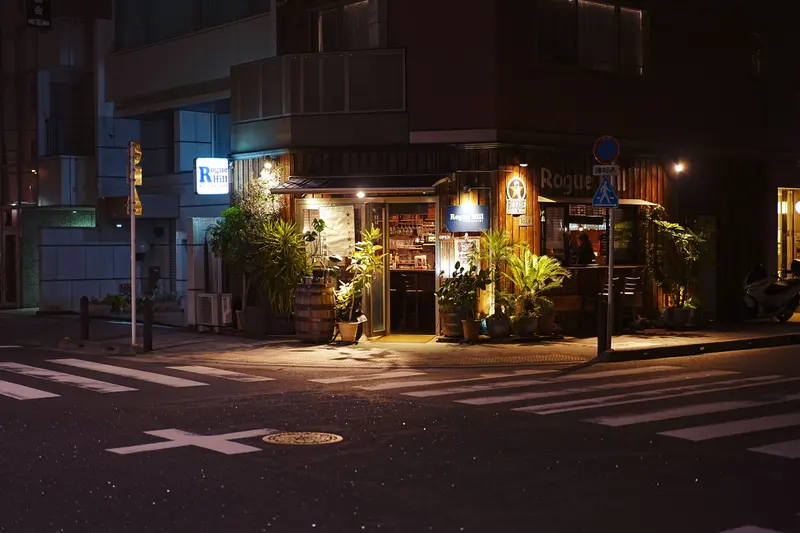
Coffee after dinner, timed against the last train home.
86 cafés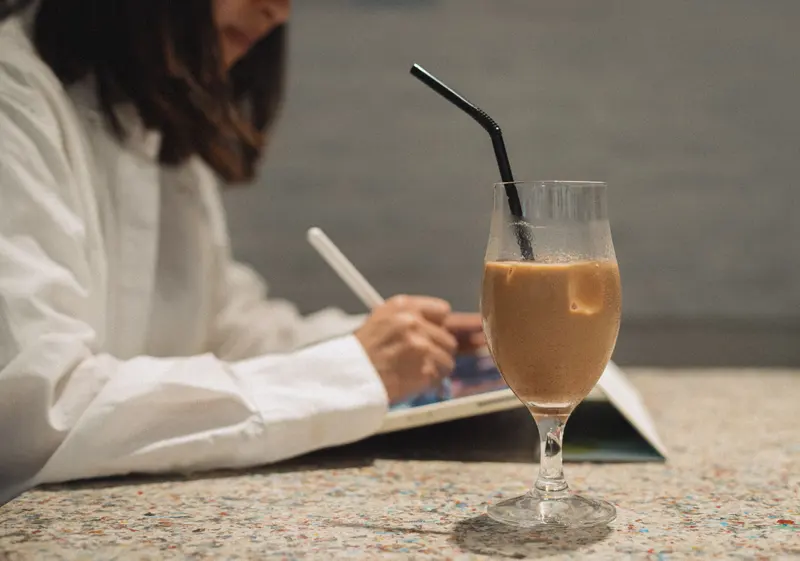
A network, a socket and a clock: working from a Tokyo café.
97 cafés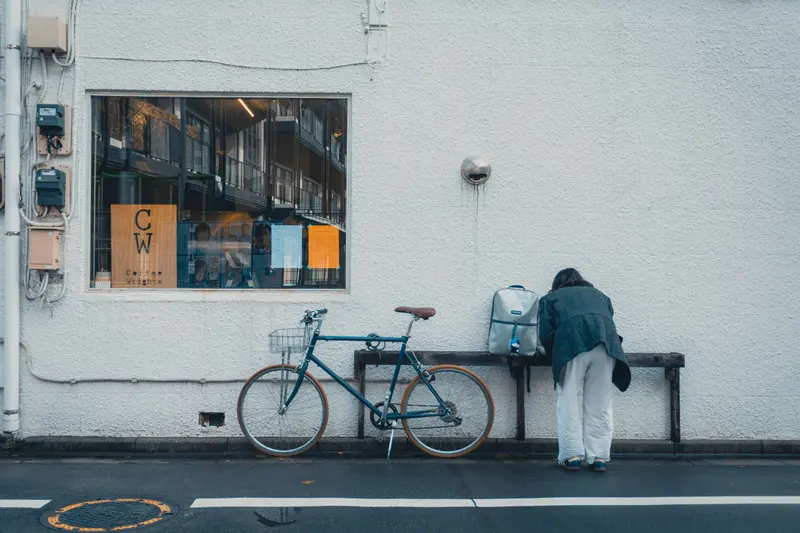
Terraces under zelkovas, decks on the moat, and the months that suit them.
75 cafés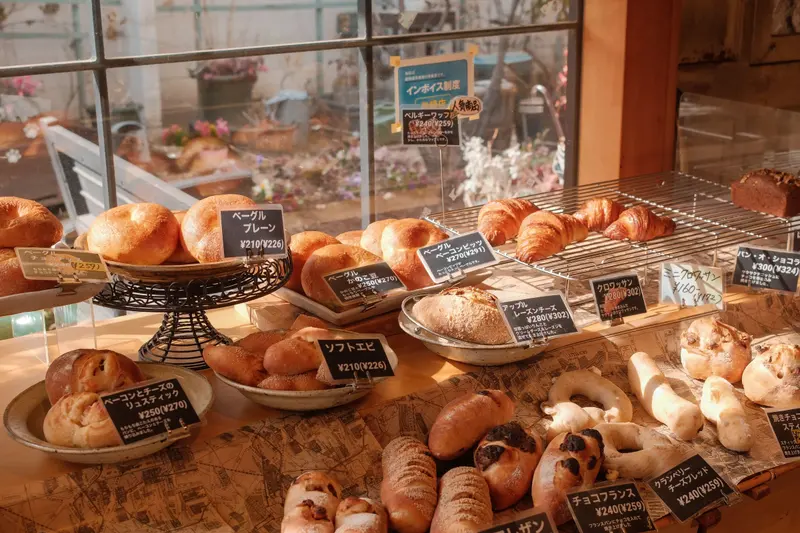
Anpan, shokupan and French loaves, with a coffee alongside.
88 cafésRecently opened and recently added
アンド コーヒー
Café Bar Eagle
More about cafés in Shimokitazawa
More about cafés in Harajuku & Omotesandō
ニイチナナ
カフェ・ド・ダフネ
Café Bar Eagle
More about cafés in Ginza & Yūrakuchō
カフェ・ド・ランブル
Nakajima-no-Ochaya
TOKYO ISLANDS CAFE
More about cafés in Ueno & Yanaka
Board game cafe Amayadori
More about cafés in Kiyosumi-Shirakawa
Slow Jet Coffee
クルックスカフェオ
レドゥブルー
Cafe Akira
ちへ・コーヒー
グローブコーヒー
Aruza Dokushoukan
Showing up to 6 cafés per area. Each area page has the full list.
No café matches all of those filters. Try removing one, or tell us about a café we're missing.
Branches by area
At a kissaten the default order is the ブレンド (burendo, blend), the house coffee mixed from beans of several origins in set proportions; ストレート (sutorēto, "straight") on the same menu means a single-origin cup.10 Many old shops pour by hand, and some, such as Tajimaya in Shinjuku, still brew through cloth filters. Time Out's 2024 list of retro coffee shops put hand-poured coffee at ¥900 and up in one Shibuya kissaten and about ¥1,400 per order in a Shinjuku one.11
Chains cost far less. Doutor raised its small blend to ¥300 on 23 July 2026, and Café Veloce moved its regular blend to ¥350–450 from 1 September 2026, the price depending on the branch.1213 Veloce's モーニング (mōningu, morning set) A, a toasted cheese-and-tuna sandwich, went to ¥550–650 at the same time.13 Food is the other half of a kissaten menu: coffee jelly with cream and buttered toast with azuki (sweet red bean) paste are standards.11
Tipping is not expected. Japan's national tourism organization says it is not common to tip in cafés, bars or restaurants.14 Smoking is more complicated. Since 1 April 2020, cafés with employees have had to be smoke-free indoors except in enclosed smoking rooms, and every café must post a sign at the entrance showing which rules apply.15 Time Out estimated that about 84 percent of Tokyo's cafés, bars and restaurants have hired staff.16
The exception is small and owner-run: a café with no employees, no more than 100 m² of seating and a business open before April 2020 may still set aside a room, or the whole floor, for smoking, and it must report this to the local health center.15 Under-20s may not enter any smoking room.15
| Drink | Typical price |
|---|---|
| ブレンド (S) Small blend coffee at Doutor, eat-in | ¥300 Doutor, from July 2026 |
| ブレンド (R) Regular blend coffee at Café Veloce | ¥350–450 Café Veloce, from September 2026 |
| モーニング Morning set A at Café Veloce | ¥550–650 Café Veloce, from September 2026 |
| ウインナーコーヒー Vienna coffee at a Jimbōchō kissaten | ¥650 Ladrio, October 2024 |
| ハンドドリップ Hand-poured coffee at a kissaten | ¥900–1,400 Kissaten in Shibuya and Shinjuku, 2024 |
Doutor's price is its tax-included eat-in price after the 23 July 2026 change, as tracked by Pricey; Café Veloce's are from the list its owner C-United announced for 1 September 2026, and they vary by branch.1213 The Vienna coffee price is from Bungeishunju in October 2024, and the hand-poured range from Time Out Tokyo's June 2024 list of retro coffee shops.211
Roasted vs green coffee at US, EU, UK, Australian, NZ and Japanese customs, carry-on powder rules, roast dates, and what to buy in Vietnam or Ethiopia.
Coffee travelWhen cafés open and close: 06:00 coffee in Vietnam, Italian bars shut by 20:00, Melbourne cafés done by 15:00, Sundays in Berlin, Ramadan in Dubai.
How to orderTipping in cafés from Tokyo to Lima, counter and table prices in Italy and Lisbon, paying at the till, Vietnam's free trà đá and indoor smoking rules.
At the chains, Doutor's small blend has cost ¥300 since 23 July 2026, and Café Veloce's regular blend moved to ¥350–450 from 1 September 2026, depending on the branch. Independent kissaten charge more: Time Out found hand-poured coffee from ¥900 to about ¥1,400 in 2024. Ladrio in Jimbōchō charged ¥650 for its Vienna coffee in October 2024.
Shinjuku and Shibuya have the most cafés, followed by Harajuku & Omotesandō. Both are on the west side of the city, a few stops apart on the JR Yamanote line. On the east side, Ueno & Yanaka includes Kayaba Coffee, founded in 1938.
Start with the ブレンド (burendo, blend), the house coffee mixed from beans of several origins; ストレート (sutorēto) on the menu means a single-origin cup. Many old kissaten pour by hand, and Tajimaya in Shinjuku brews through cloth filters. Coffee jelly with cream and buttered toast with sweet red-bean paste are kissaten standards.
No. Japan's national tourism organization says tipping is not common in cafés, bars or restaurants, and it is not expected. Where a gratuity is given in Japan, for instance to a private guide, it is handed over discreetly in an envelope.
Mostly not. Since 1 April 2020, Tokyo cafés with employees have had to be smoke-free indoors except in enclosed smoking rooms, and every café must post a sign at the entrance showing its rules. Small owner-run cafés with no employees, no more than 100 m² of seating and a business open before April 2020 may still allow smoking. Under-20s may not enter smoking rooms.
Two clusters stand out. Kiyosumi-Shirakawa, east of the Sumida River, has roasters in old canal-side timber warehouses, and eight cafés opened there in 2015 alone. North of Shibuya Station, Fuglen from Oslo opened its first Tokyo café in 2012 and Coffee Supreme followed in 2017. Jiyūgaoka has more specialty cafés than anywhere else, and Shibuya, Nihonbashi and Gōtokuji share second place.
Your free listing is probably already on this page. Claim it in two minutes, or turn it into a featured page in your own design, with photos, a menu and your own link.