
Cafés in South Africa Cape Town and Johannesburg
Coffee shops in Cape Town and Johannesburg, and the country's own drinks, from rooibos and moer koffie to Ricoffy and Natal's estates.
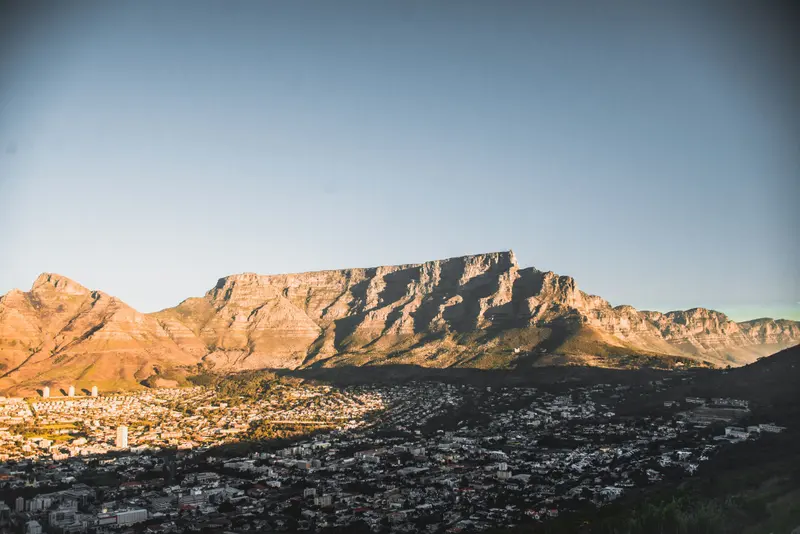
Photo: Alexander F Ungerer, Pexels License
South Africa drinks far more coffee than it grows. International Coffee Organization figures put domestic consumption at 640,000 to 670,000 bags of 60 kg a year since 2017, about 40,000 tonnes, while coffee grows on fewer than 200 hectares spread over a handful of farms; most imports come from Brazil.1
Much of what the country drinks is instant. From the 1960s to the 1980s South Africa stayed outside the International Coffee Organization and became a dumping ground for poor-quality coffee, with imports running 85% robusta to 15% arabica, and Coffee Magazine traces the country's preference for instant over pure coffee to that period.2 In 2014 the ICO put consumption at 0.6 kg a person.2
Natal's coffee estates and the second attempt
Coffee reached Natal in 1854, when a mission station received plants from Bourbon, now Réunion; more came later from Ceylon.2 Nearly 2,000 hectares on the coast were under coffee by 1870. Frost caused heavy losses in 1869, a disease that had ruined plantations in India and Ceylon arrived in 1874, and by 1879 many estates were destroyed; most growers turned to sugar cane or tea.2
When sugar quotas were cut by 25% in the 1960s, farmers tried again. Commercial planting began on the Grenshoek tea estate near Tzaneen in 1963, and the country produced 1,800 tons of green coffee in 1987.2 High labor costs, the white coffee stemborer in Mpumalanga and low world prices closed many farms, and by 2001 no more than 100 hectares were still in production.2 Pilot programs now run in the Eastern Cape and Limpopo.1
Moer koffie, Ricoffy and the chicory habit
The old farm method is moer koffie, from the Afrikaans moer (dregs) and koffie (coffee): coffee made by boiling the grounds.3 Chicory goes back further still; Nestlé credits the French Huguenots with bringing chicory-based coffee to South Africa.4 The best-known chicory blend launched as Ricory in 1952, was renamed Ricoffy in the early 1970s and joined the Nescafé range in 2002.4
Rooibos, the red bush
The country's home-grown hot drink is rooibos. The botanist Carl Thunberg reported on the plant and the drink brewed from it when he visited the Cape in 1772, and in 1904 the Russian immigrant Benjamin Ginsberg began trading it as "mountain tea", becoming its first exporter; commercial growing started in the 1930s.5 It grows in the deep sands of the Sandveld, the Cederberg, the Gifberg and the Suid Bokkeveld, where summer temperatures can pass 40 °C and winter nights freeze.6
In 2023 the industry produced about 22,600 tons, enough for just over 10 billion cups, and exported to more than 50 countries; Japan, France, Germany, the Netherlands and the United Kingdom bought the most.7 Rooibos reached the espresso machine in 2006, when the first tisane-based espresso went into coffee shops.5
From the café de move-on to counter service
South African English has its own words for coffee sold on the move. A café de move-on was a mobile canteen that fed workers where they worked and could shift quickly to escape officials; in 1952 the journalist Basil Davidson reported that municipal authorities had declared war on these coffee carts and were prosecuting owners who failed to move on.8 In township English a koffie kar (coffee cart) is a small stall, usually on wheels, serving hot snacks and drinks.9
The counter-service chain started in Cape Town. In 1997 Pete Howie and Barry Parker opened South Africa's first Seattle Coffee Company store in Claremont, the first café chain in the country to offer counter service, custom orders and paper cups, and to ban smoking.10 Food Lover's Market bought it in 2015; by 2025 it had around 300 stores in South Africa and Namibia.10
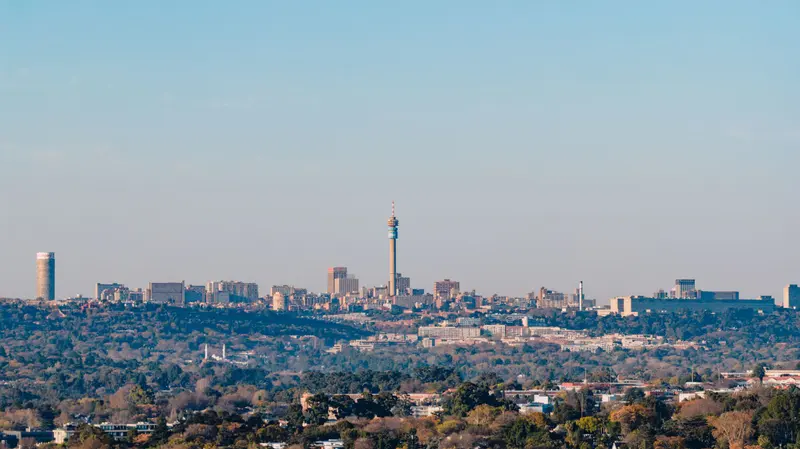
Cape Town and Johannesburg
Cape Town holds both ends of the story. Seattle's first store was in Claremont and the chain still roasts its beans in Muizenberg, while the rooibos farms of the Cederberg and the Olifants River Valley lie more than 200 km north of the city.106
Johannesburg got the country's first Starbucks, which was also the chain's first café in sub-Saharan Africa. It opened in Rosebank at 07:30 on April 21, 2016, after hundreds had queued, some for 12 hours; a caffè latte cost R27–33, priced for the local market rather than at the exchange rate.11
The city's roasting runs along fair-trade lines as well. Bean There, founded in 2005 and roasting on Stanley Avenue in Milpark, calls itself South Africa's first roaster of Fairtrade-certified coffee.12 In Braamfontein, Juta Street has specialty roasters and the weekly Neighbourgoods Market.13
Sources
- The story of coffee in South Africa, Agriorbit (Aart-Jan Verschoor, Agricultural Research Council, November 27, 2025), accessed October 2026
- A history of South African coffee farming, Coffee Magazine (Dylan Cumming, May 15, 2019), accessed October 2026
- moer koffie, noun, Dictionary of South African English, accessed October 2026
- Nescafé Ricoffy, Nestlé South Africa, accessed October 2026
- Rooibos history, SA Rooibos Council, accessed October 2026
- The Rooibos story, SA Rooibos Council, accessed October 2026
- Industry statistics, SA Rooibos Council, accessed October 2026
- café de move-on, noun phrase, Dictionary of South African English, accessed October 2026
- koffie kar, noun phrase, Dictionary of South African English, accessed October 2026
- Seattle Coffee Company, Wikipedia, accessed October 2026
- Starbucks opens first cafe in sub-Saharan Africa (AFP, April 21, 2016), Daily Maverick, accessed October 2026
- About Bean There, Bean There Coffee Company, accessed October 2026
- Mel Winter visits Johannesburg (25 Magazine, Issue 5), Specialty Coffee Association, accessed October 2026
Cafés in South Africa: questions
Is coffee grown in South Africa?
Only a little. South Africa grows coffee on fewer than 200 hectares, on a handful of farms, with pilot programs in the Eastern Cape and Limpopo. Natal had nearly 2,000 hectares by 1870, but frost and disease destroyed many estates by 1879. A revival from 1963 reached 1,800 tons in 1987 before most farms closed.
What is moer koffie in South Africa?
Moer koffie is coffee made by boiling the grounds. The name comes from the Afrikaans moer, meaning dregs or sediment, and koffie, coffee. It is the old farm way of making coffee in South Africa, alongside chicory blends such as Ricoffy, which launched as Ricory in 1952.
When did the first Starbucks open in South Africa?
South Africa's first Starbucks opened in Rosebank, Johannesburg, on April 21, 2016, and was the chain's first café in sub-Saharan Africa. Hundreds queued, some for 12 hours. A caffè latte cost R27–33, priced for the South African market. The counter-service format had arrived earlier, with Seattle Coffee Company's first store in Claremont, Cape Town, in 1997.
Your café deserves better than a pin someone else dropped
Free listings are free for good. A featured page gives you photos, a menu and your own URL, in your café's own design, for less than a coffee a day.