Ubud
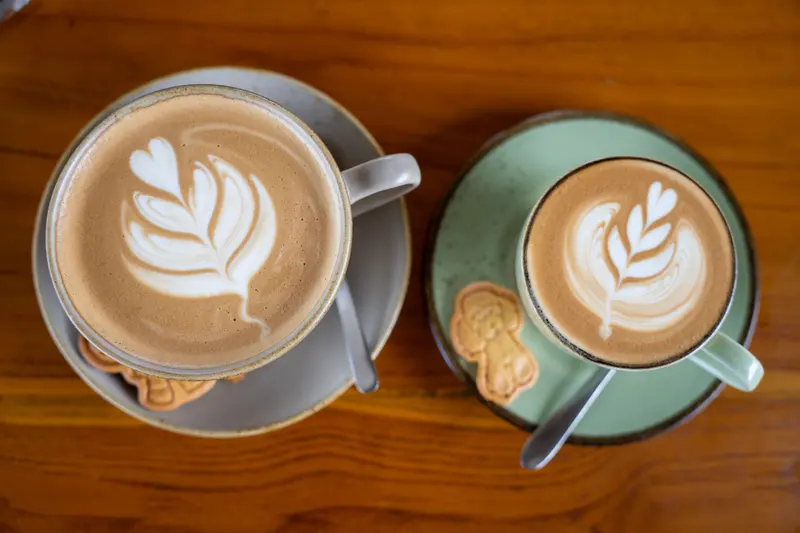
Kopi spesialti · Bali
Specialty coffee cafés in Bali
Kintamani arabica, Pupuan robusta and the espresso bars of Seminyak and the Bukit.
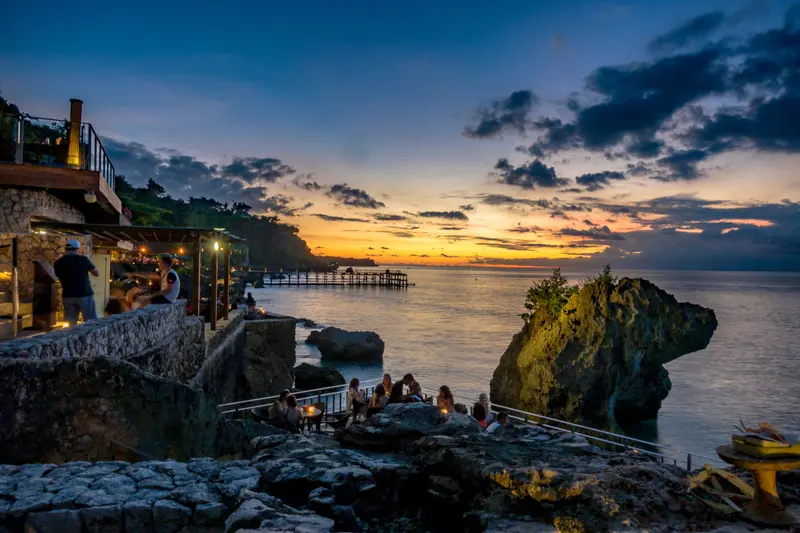
Photo: Tom Fisk, Pexels License
Bali grows its own arabica. In the Kintamani highlands, above 900 m on the slopes of the volcano Mount Batur, the bushes grow under shade trees alongside other crops, and the cherries are hand-picked, wet-processed with 12 to 36 hours of fermentation and sun-dried. The FAO describes the cup as fruity, often lemony, with medium to high acidity and a medium body.1 In 2008 Kintamani arabica became the first Indonesian product to receive a Geographical Indication certificate.2
Robusta still dominates the national crop, at nearly 87% of Indonesia's forecast output for 2025/26.3 Bali's specialty cafés are mostly in the south of the island: Seminyak has the most, followed by Ubud, Uluwatu and Denpasar, and a few more are in Canggu and Sanur.
Local tip: At a roaster's bar, ask whether the beans are from Kintamani or Pupuan; at a warung, order kopi tubruk and give the grounds a minute to sink before you drink.
Where these cafés are: Seminyak & Kerobokan (8), Ubud (5), Uluwatu & the Bukit (4), Denpasar (4), Canggu (3), Sanur (2), Gianyar & Sukawati (1).
At a glance
27Cafés listed
4With opening hours
06:00Earliest opening
18:00Latest closing
- Opens earliest: Umalas Brew Bar, from 06:00 (Daily 06:00–15:00).
- Closes latest: Ubud Coffee Roastery, until 18:00 (Daily 08:00–18:00).
- Most common features: wi-fi (15%), outdoor seating (7%), brunch (4%).
Ubud
Ubud Coffee Roastery
Seminyak & Kerobokan
Umalas Brew Bar
- Open by 6am
- Specialty
Sanur
Series Coffee Roaster
Canggu
Blacklist Coffee Roasters - Tibubeneng
Seminyak & Kerobokan
Chontea Seminyak
Ubud
Delta Coffee & Roastery
Seminyak & Kerobokan
Geo-Coffee and Roastery
Geo-Coffee
Uluwatu & the Bukit
Nectar Specialty Coffee & Viennoiserie
Uluwatu & the Bukit
Obano Coffee and Roastery
Seminyak & Kerobokan
Paddle Brew Coffee Lab
Denpasar
Red Castle Coffee Roasters
Seminyak & Kerobokan
ROU Specialty Coffee & Matcha
Gianyar & Sukawati
Simalu Coffee Roastery
Seminyak & Kerobokan
T.One Kitchen Coffee and Roastery
Canggu
The Daun Coffee And Roastery - Canggu
Seminyak & Kerobokan
The Koop Roaster & Café
Denpasar
Umah Lokal Coffee & Roastery
Denpasar
Wiku Coffee, Roastery, and Eatery
Denpasar
Five Roastery
Uluwatu & the Bukit
Canosta Coffee Roasters
Ubud
Firefly Specialty Coffee
Sanur
Infinity Coffee & Roastery
Ubud
Jaya Coffee Roasters
Canggu
MAILLARD Coffee Roastery
Uluwatu & the Bukit
Patia Brew & Roastery
Seminyak & Kerobokan
Sabre Coffee Shop and Roastery
Nothing matches those filters here. See all cafés in Bali.
Kintamani's farmer groups and orange groves
Bali's coffee farmers have traditionally been organized into subak abian, Balinese farmers' associations that also work as economic groups for growers. The body set up in 2007 to manage the Kintamani name admits only subak abian and private firms, and the protection covers green, roasted and ground coffee from fully washed Kintamani arabica.1 The FAO dates the reputation of Bali arabica to the early nineteenth century.1
Citrus is part of the landscape. In Manikliyu, a village on the slopes toward the Batur caldera, orange groves are interspersed with the coffee trees that Tanamera, a roaster founded in 2013 by Dini Aryani Criddle, harvests and processes.4
Pupuan robusta and the glass of kopi Bali
West Bali grows the robusta. Tabanan is the island's top robusta regency, with about 5,589 tons in 2021, and its Pupuan district, at 500 to 1,000 m on the flanks of Mount Batukaru, is the main growing area. A local Q grader told Mongabay in 2022 that Pupuan robusta can reach fine-coffee grade.5
Kopi Bali, Balinese coffee, is a popular drink on the island, as is teh panas (hot tea).6 In a warung (a small family-run eatery) it usually arrives as kopi tubruk: fine grounds and boiling water in a clear glass, generally with sugar and no filter, so the grounds settle at the bottom. Balinese also call it kopi selem, black coffee; tubruk is Javanese for collision.7
Espresso bars in Seminyak and on the Bukit
Daniel Food Diary called Revolver Espresso one of the early movers in Bali's specialty coffee scene in 2025, and the brand now roasts its own beans locally and runs a smaller offshoot, Baby Revolver, nearby.8 Geo-Coffee and Roastery is at 94 Jalan Pengubengan Kauh and The Koop Roaster & Café at 88b Jalan Drupadi. Umalas Brew Bar, at 6 Jalan Umalas Tunon, opens 06:00–15:00, the earliest start of the group.
On the Bukit, Obano Coffee and Roastery is at 9 Jalan Pantai Balangan and Nectar Specialty Coffee & Viennoiserie on Jalan Mutiara III. Canosta Coffee Roasters and Patia Brew & Roastery are also on the Bukit.
Roasters in Ubud, Denpasar and Sanur
In Ubud, Ubud Coffee Roastery on Jalan Gautama Selatan opens 08:00–18:00, Tucky Speciality Coffee and Brunch is at 15 Jalan Goutama, and Delta Coffee & Roastery at 14 Jalan Raya Andong. Denpasar has Red Castle Coffee Roasters at 35 Jalan Bedugul and Five Roastery on Serangan. In Sanur, Series Coffee Roaster on Jalan Betngandang 1 opens 08:00–16:00.
What a cup costs, and what to skip
A regular cappuccino in Bali averages about Rp40,000, within a range of Rp30,000 to about Rp48,500, in Numbeo's crowd-sourced prices as of October 2026.9
Skip the kopi luwak tastings. A 2016 study in the journal Animal Welfare examined 16 civet coffee plantations in and around Bali, with 48 caged civets, and found that many new plantations had been set up to attract tourists.10
Sources
- Kintamani Bali Arabica coffee, Indonesia (case study), FAO Regional Office for Asia and the Pacific, 2010, accessed October 2026
- Kintamani coffee gets certification, The Jakarta Post, 13 December 2008, accessed October 2026
- Indonesia Coffee Report: Exports Up Though Tariffs and EUDR Linger, Daily Coffee News, 4 June 2025, accessed October 2026
- Tanamera Indonesia Kintamani Bali Coffee, NOW! Bali, 19 September 2024, accessed October 2026
- Cerita rintisan peningkatan mutu fine coffee robusta Pupuan, Mongabay Indonesia, 26 December 2022, accessed October 2026
- Balinese cuisine, Wikipedia, accessed October 2026
- Kopi tubruk, Wikipedia, accessed October 2026
- Revolver Espresso, Seminyak, Daniel Food Diary, 20 October 2025, accessed October 2026
- Cost of Living in Bali (updated 20 October 2026), Numbeo, accessed October 2026
- World's most expensive coffee often produced from caged, abused civets, study finds, Mongabay, 24 May 2016, accessed October 2026

FAQ
Specialty coffee in Bali: questions
What is Kintamani arabica, the origin behind Bali's specialty coffee?
Kintamani arabica grows above 900 m on the slopes of Mount Batur, under shade trees with other crops. Cherries are hand-picked, wet-processed and sun-dried, and the cup is fruity, often lemony, with medium to high acidity. In 2008 it became the first Indonesian product with a Geographical Indication certificate, and in villages such as Manikliyu orange groves grow among the coffee.
Where are the specialty coffee cafés in Bali?
Seminyak has the most, followed by Ubud, Uluwatu and Denpasar. In Seminyak, Geo-Coffee and Roastery is on Jalan Pengubengan Kauh and The Koop Roaster & Café on Jalan Drupadi. On the Bukit, Obano Coffee and Roastery is on Jalan Pantai Balangan. Ubud has Ubud Coffee Roastery on Jalan Gautama Selatan, and Sanur has Series Coffee Roaster.
How much does a specialty coffee cost in Bali?
As of October 2026, Numbeo puts a regular cappuccino in Bali at about Rp40,000 on average, within a range of Rp30,000 to about Rp48,500. Warung coffee is a different drink: kopi tubruk, fine grounds and boiling water in a glass, usually sweetened and unfiltered, which Balinese also call kopi selem, black coffee.
For café owners
Your café deserves better than a pin someone else dropped
Free listings are free for good. A featured page gives you photos, a menu and your own URL, in your café's own design, for less than a coffee a day.